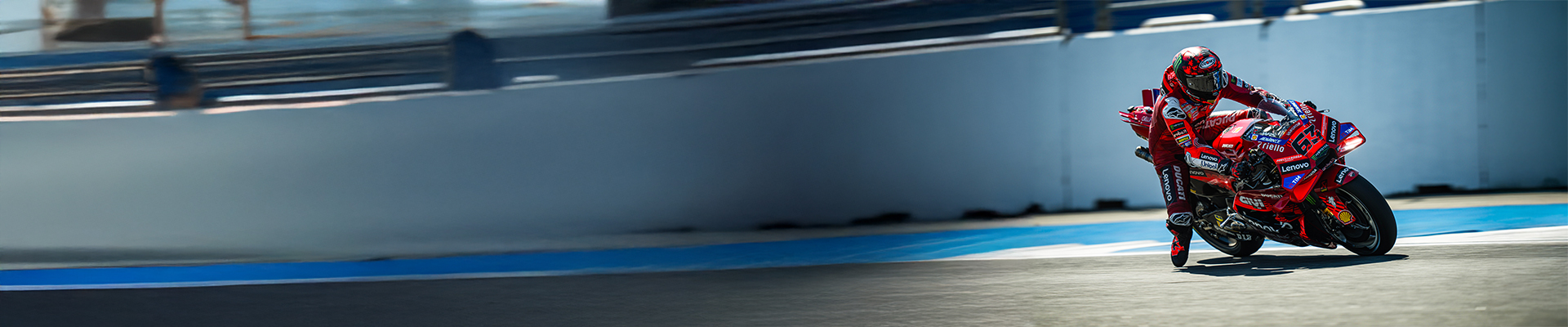
Racing into the future with Lenovo & Ducati

In the fast-paced world of motorsport, success hinges on a blend of visionary leadership, world-class talent, and cutting-edge technology. This blog examines how Lenovo’s Edge, AI, and High-Performance Computing (HPC) solutions are driving record-breaking achievements and championship victories, enabling teams to excel both on and off the track.
“For decades, Ducati has brought together the most talented teams of designers and engineers to create some of the best motorcycles ever made. Lenovo provides us with the advanced technological tools to stay at the forefront of innovation.”
Sporting Director, Ducati Corse
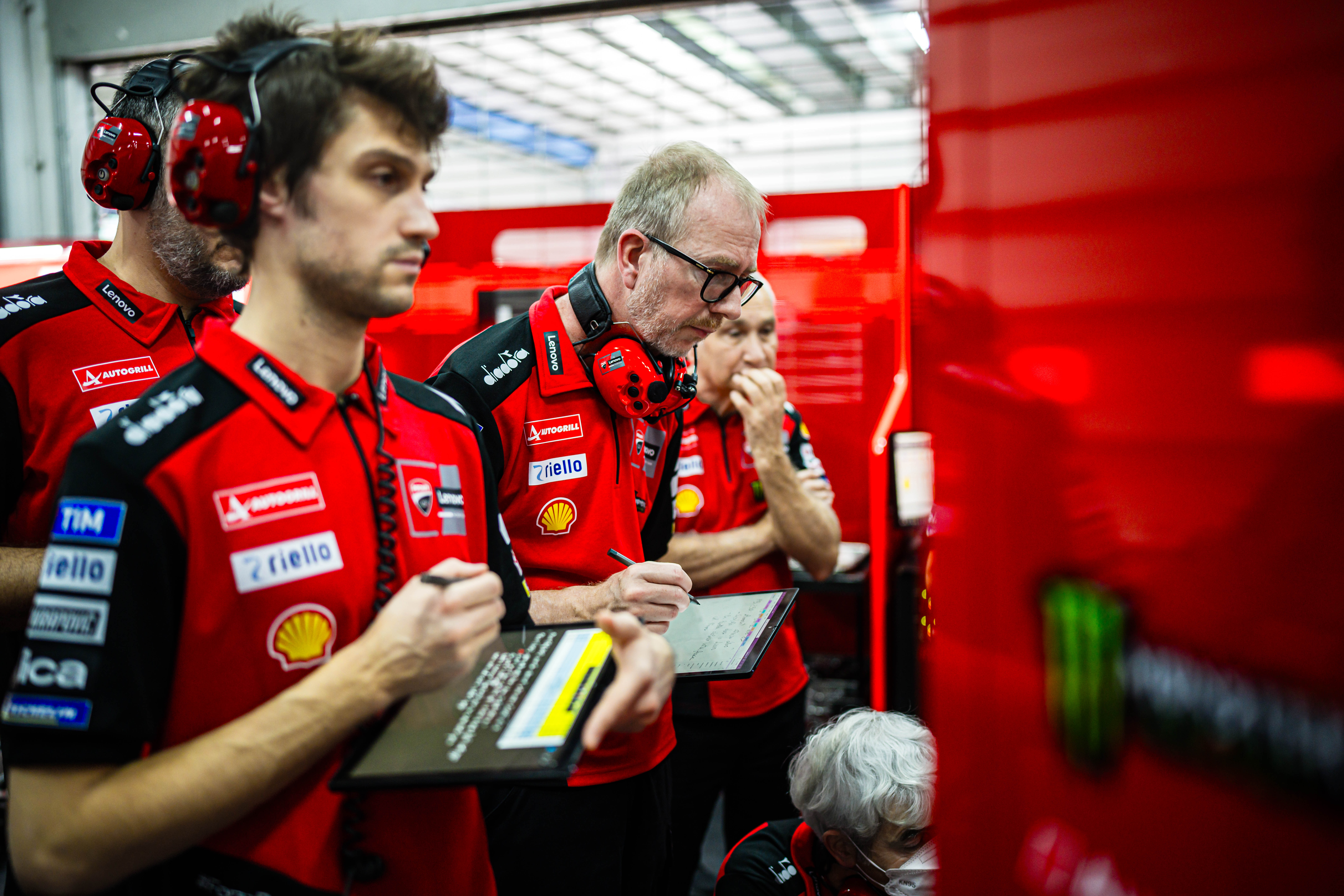
Ducati Corse leverages a Lenovo Cloud Solution Provider agreement to meet peak performance demands, enabling engineers to process vast amounts of data during critical times for quicker insights into race performance.
On race day, success is the result of extensive preparation at Ducati Corse HQ. Engineers utilize Lenovo’s high-performance computing (HPC) technology to conduct complex simulations that optimize every aspect of their race bikes, from aerodynamics to engine controls and weight distribution.
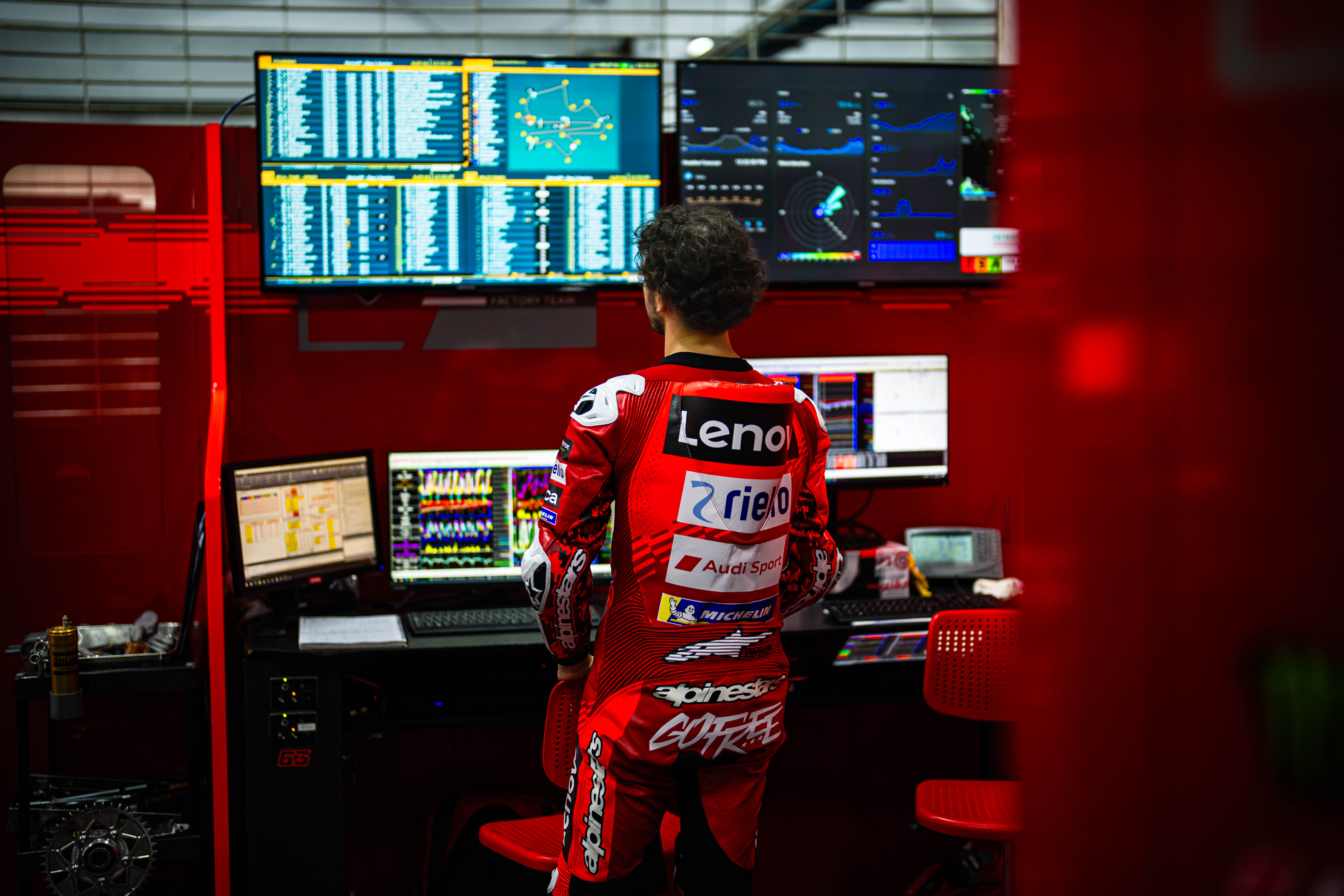
To enhance these simulations, Ducati Corse gathers significant data through approximately 50 sensors on each bike. Over a race weekend, they collect around 100 GB of data from the eight Ducati Desmosedici GP bikes. The quicker Ducati Corse can analyze this data, the faster they can implement valuable insights, allowing them to stay ahead of the competition.
Revolutionizing MotoGP with Digital Twin Technology
The latest advancement in the Ducati Corse and Lenovo partnership introduces a groundbreaking digital twin technology that is set to transform data utilization in MotoGP. By leveraging Lenovo’s advanced workstations, the team can now create a highly detailed digital twin of the racetrack, accurately mapping its curves using 200GB of data per circuit.
In the competitive realm of motorcycle racing, where every millisecond counts, this innovative tool is a game-changer. Research indicates that utilizing realistic data for simulation algorithms, combined with high-performance technology for complex data analysis, could reduce race times by two-and-a-half to three seconds – equivalent to a 300-meter head start.
Would you like more information? Contact us!