Hybrid IT without
compromise:
Why Azure Arc
is becoming a strategic priority

THE FUTURE
From opportunity to challenge
As organisations accelerate their digital transformation journeys, one reality has become increasingly clear: the future of IT is hybrid.
While cloud adoption continues to grow, many businesses still rely on on-premises infrastructure, edge environments, and even multiple cloud platforms to meet operational, regulatory, and performance requirements. In practice, this means that IT leaders are often managing a complex mix of environments rather than a single cloud ecosystem.
The challenge is no longer whether to move to the cloud, but how to effectively manage and secure a distributed IT landscape.
This is where Azure Arc is gaining attention.
THE HYBRID REALITY
The new reality of hybrid IT
Few organizations can migrate every workload to the cloud overnight. Legacy applications, compliance regulations, data sovereignty requirements, and latency-sensitive workloads often require infrastructure to remain closer to the business.
At the same time, IT teams want to benefit from the innovation, automation, and governance capabilities that modern cloud platforms provide.
Balancing these priorities has traditionally created complexity. Different environments often require different management tools, security policies, and operational processes, increasing both risk and administrative overhead.
Azure Arc addresses this challenge by extending Azure management capabilities beyond Azure itself.
UNIFIED MANAGEMENT
Bringing consistency across environments
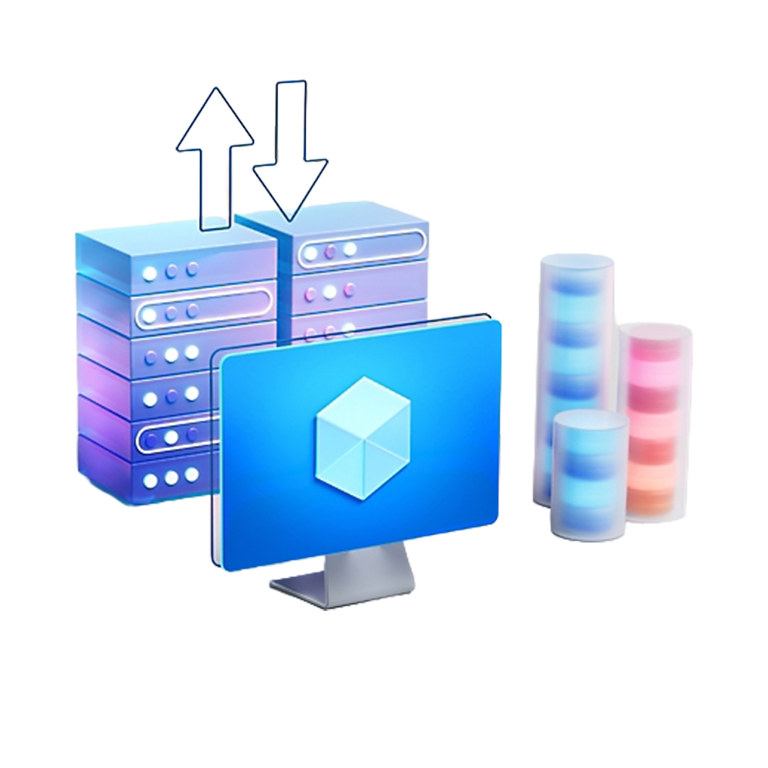
Azure Arc creates a unified management layer across on-premises datacenters, edge locations, and other cloud providers.
Rather than treating each environment separately, organisations can apply consistent governance, security controls, monitoring, and compliance policies across their entire infrastructure estate.
IT teams gain a centralised view of resources regardless of where they are hosted by using familiar services such as:
- Azure Policy
- Microsoft Defender for Cloud
- Azure Monitor
The result is improved visibility, stronger governance, and simplified operations without requiring workloads to be migrated to Azure first.
END OF SUPPORT, NEW OPPORTUNITY
A timely opportunity following SQL Server 2016 end of support
For many organizations, the recent End of Support milestone for SQL Server 2016 has created an immediate need to reassess existing infrastructure strategies.
While a full cloud migration may be the long-term objective, not every organisation is ready to make that move today.
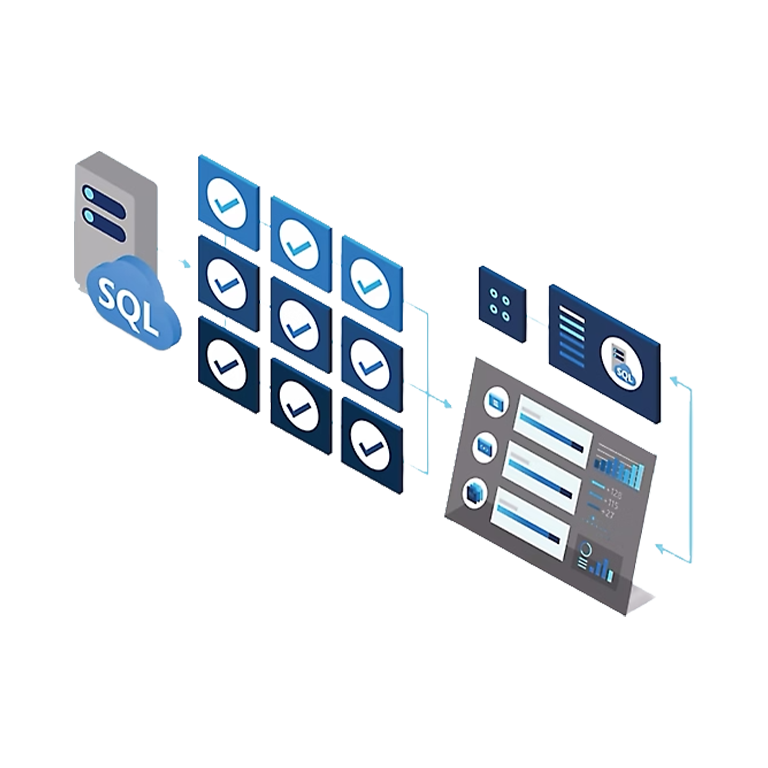
Azure Arc offers a practical first step by enabling organisations to connect existing SQL Server environments to Azure while keeping workloads on premises. This approach provides enhanced visibility, governance, and security capabilities while reducing operational risk.
More importantly, it creates a clear pathway towards future modernisation, allowing organisations to move at a pace that aligns with their business priorities.
BEYOND CLOUD BOUNDARIES
Innovation beyond traditional Cloud boundaries
The value of Azure Arc extends beyond infrastructure management.
With capabilities such as Azure Arc-enabled SQL Server and Azure Arc-enabled Kubernetes, organisations can bring Azure services and cloud-native practices into virtually any environment.
This opens opportunities to modernise applications, streamline operations, and take advantage of emerging technologies such as AI and advanced analytics without first relocating workloads to the cloud.
For businesses seeking to innovate while maintaining operational flexibility, this hybrid approach can provide the best of both worlds.ronger governance, and simplified operations without requiring workloads to be migrated to Azure first.
SPECIFICALLY BUILT
Particularly relevant for regulated industries
Industries such as healthcare, financial services, government, and manufacturing often face strict requirements around compliance, data sovereignty, and workload placement.

Healthcare
Keep sensitive patient data and workloads exactly where they need to be.

Financial services
Maintain control over data residency while modernising securely.

Government
Meet sovereignty and workload-placement rules without losing agility.

Manufacturing
Extend cloud governance to the edge and the factory floor.
Azure Arc enables these organisations to maintain control over where data and applications reside while still benefiting from Azure’s security, management, and innovation capabilities. As regulations continue to evolve, this flexibility is becoming an increasingly important component of long-term IT strategy.
Hybrid IT is no longer a temporary stage on the road to cloud adoption. For many organisations, it is becoming the operating model of the future.
THE ROAD AHEAD
Looking toward the future
Azure Arc helps bridge the gap between traditional infrastructure and modern cloud capabilities, providing a consistent framework for management, security, compliance, and innovation across diverse environments.
By enabling organisations to modernise at their own pace, Azure Arc delivers the flexibility needed today while building a strong foundation for tomorrow’s cloud and AI-driven opportunities.
CONTINUE THE CONVERSATION
Discover more at MEET-IT Select 2026
Want to learn how organizations are successfully navigating hybrid cloud strategies and preparing for the next phase of digital transformation?
Join us at the Azure Arc session during MEET-IT Select 2026 on 17 September 2026, where industry experts will share practical insights, real-world use cases, and strategic guidance for building a future-ready IT environment.
In case you haven’t signed up yet, register through the link below!

TAKE A DEEP DIVE
You can still join our Cloud Summit
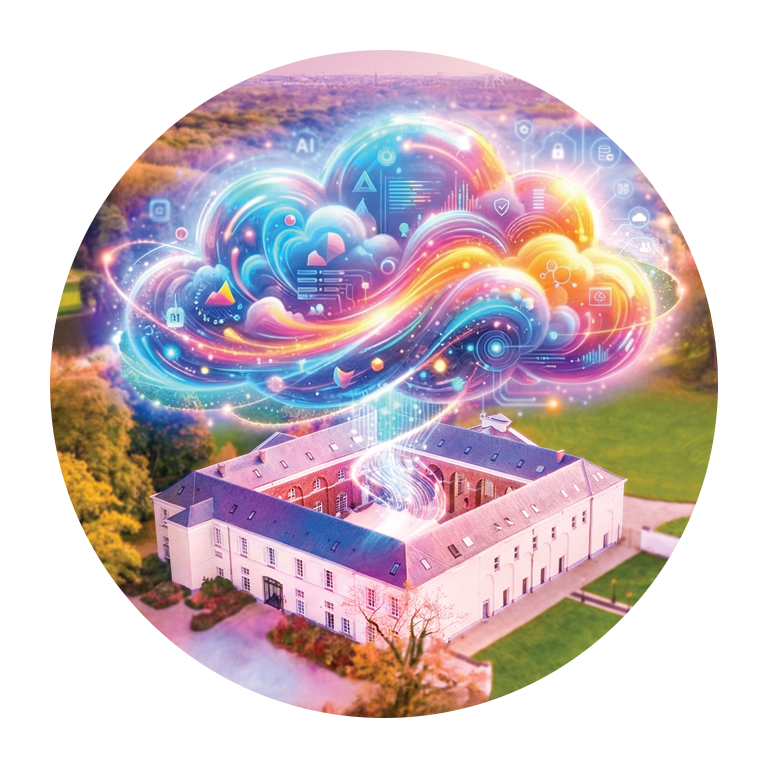
If cloud innovation is high on your agenda, be sure to keep an eye out for the Cloud Summit by TD SYNNEX on 15 October 2026 at Kasteel Ter Rijst, where we’ll explore the latest developments shaping the cloud landscape.
Would you like to learn more?
Get in touch with our Microsoft team